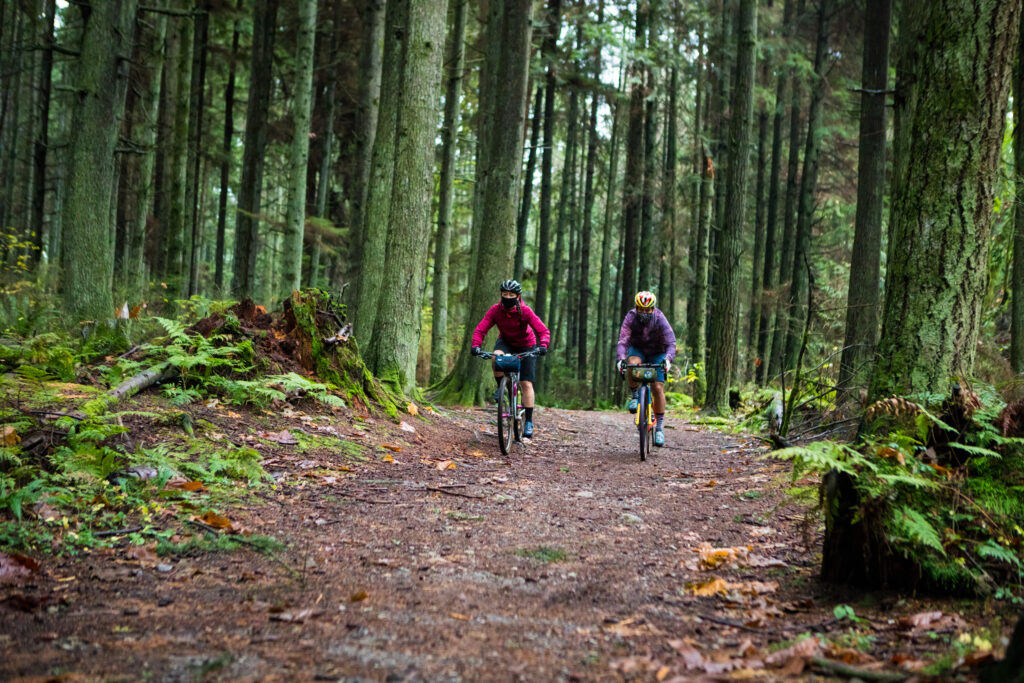
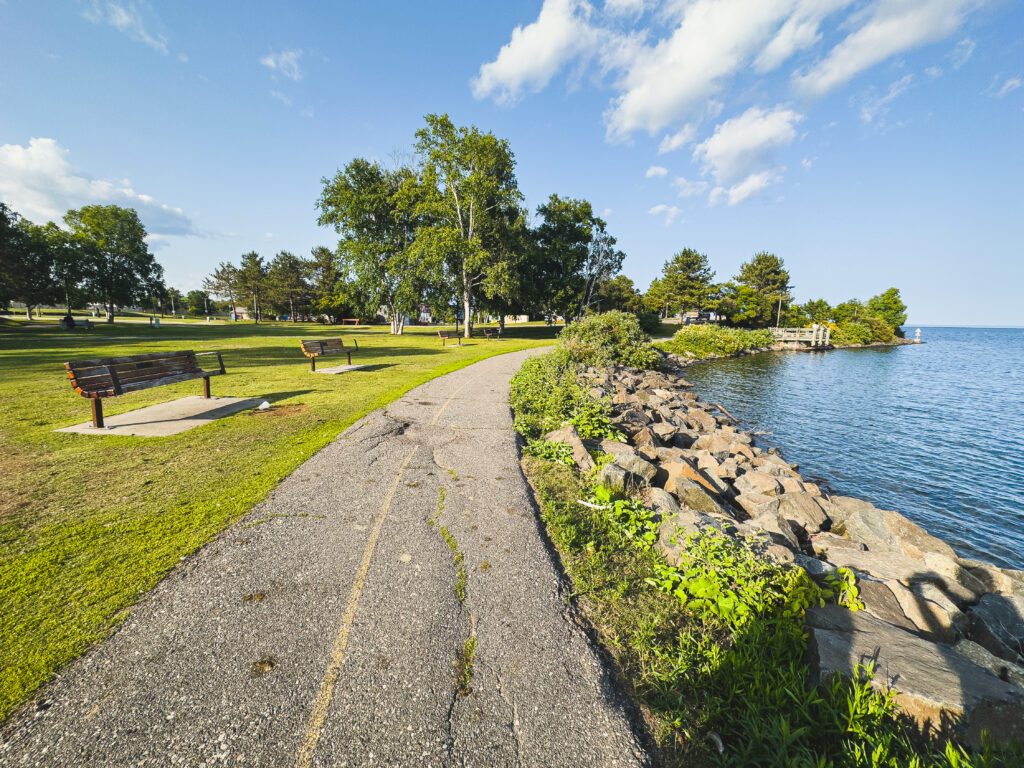
This resource brings together practical guidance, field ready tools, and climate informed trail management practices that support more resilient trail systems.
Changing climate conditions are placing increasing pressure on trail systems. More intense rainfall, flooding, wildfire, drought, freeze thaw cycles, and variable snowpack are accelerating trail damage and increasing maintenance demands. Many trail systems were originally built for historical climate conditions and are now experiencing more frequent erosion, structural failures, and unexpected repair costs.
This resource was developed by the Trans Canada Trail and McElhanney. It brings together practical guidance, field ready tools, and climate informed trail management practices that support more resilient trail systems.
The guide focuses on how trail groups can reduce climate risks through better planning, thoughtful design, consistent inspection, and proactive maintenance. While climate change cannot be eliminated, many climate related trail failures can be prevented through informed decision making and early action.
This resource is intended for:
- Trail managers
- Land managers
- Volunteer trail organizations
- Municipalities
- Park agencies
- Organizations responsible for planning, building, maintaining, and managing trail systems
The guidance is designed to support both experienced practitioners and community groups working to improve the long-term resilience of their trails.
By applying the approaches outlined in this guide, trail groups can help ensure that trail systems remain safe, durable, and sustainable as environmental conditions continue to change.